
The Problem With Continuous Electronic Fetal Monitoring
Why is fetal intolerance of labor—the second most common reason for C-section—so inconsistently diagnosed?

Thanks to those who inspired me to get to work on this essay by voting for it on my subscriber chat. In particular, I hope the moms who said they are very pregnant have time to read it before the big day! Best of luck to you. AL ✌️❤️👶
A Frustrating Birth (For Me). Hopefully It Was OK For Her.
A few weeks ago, I attended a very normal birth. She was a first-time mom in spontaneous labor without an epidural who pushed for three hours in various positions before giving birth to a healthy baby with Apgar scores of 8 & 91 and a normal cord pH.2 Great birth story, right?
Well, it wasn’t for me because I spent the last hour of her labor in the frustrating position of not seeing totally eye-to-eye with coworkers who wanted to intervene because of the fetal heart rate tracing, even though I felt confident her baby was fine (moderate variability, and all that). We worked it out privately (I begged for “just 30 more minutes”), continued pushing, and the baby was born without a problem.
But the next day I stopped by to see the mom in her postpartum room, and she said to me “They wanted to do a C-section, didn’t they? You saved me.” I just smiled at her. I don’t throw my coworkers under the bus, and, well, teamwork matters. These nurses and doctors would have my back in an emergency, and differences of opinion in the workplace are part of life. I’m just not the kind of person to say “I told you so.” 😉
The Problem With Continuous Electronic Fetal Monitoring (cEFM)
When it comes to disagreements over the interpretation of fetal heart tones, it turns out to be extremely common. There’s even a name for it: “interobserver variation in the assessment of fetal heart rate recordings.” It's a well-documented, decades-long problem in hospitals that use continuous electronic fetal monitoring (cEFM)—which is basically every hospital.
A systematic review published in 2023, which included 49 studies measuring provider assessment of fetal heart tones in labor concluded the following:
There is great variation in reliability and agreement measures for continuous intrapartum FHR monitoring, implying that intrapartum CTG3 should be used with caution for clinical decision making given its questionable reliability.
Translation: even experts often disagree about what these tracings mean. That's not a great foundation for making major clinical decisions. This tool isn't particularly reliable.
And disagreement isn’t the only problem: cEFM also performs poorly as a screening test for serious neonatal injury. Evidence shows cEFM to have a 99.8% false positive rate at detecting cerebral palsy, which probably has a lot to do with a very low baseline prevalence of cerebral palsy (~0.2%) and the fact that most cases are thought to originate during the pregnancy rather than during birth.
Unfortunately, unreliable interpretation of fetal heart tones has a big impact on what actually happens to moms during labor. The diagnosis of fetal intolerance of labor, also called fetal distress or non-reassuring fetal status, is the second most common reason for C-section in the U.S., accounting for approximately 27.3% of all primary cesarean deliveries4.
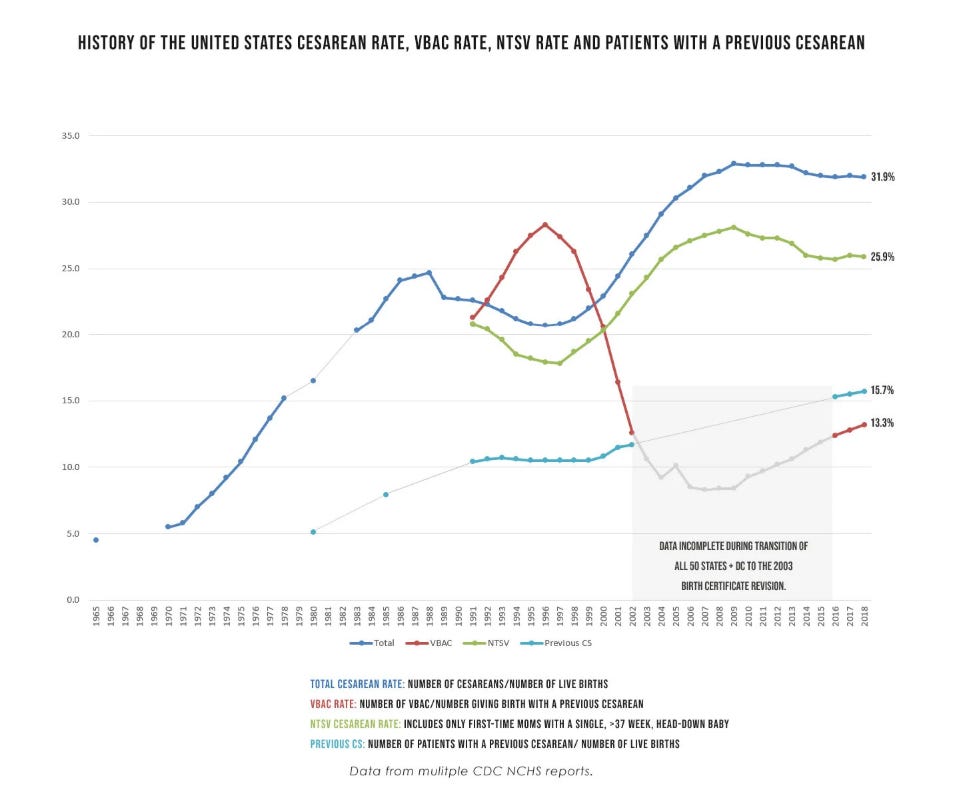
Notably, this proportion has been increasing over time: in a Canadian population study, the proportion of cesarean births done for concerns about fetal heart tones rose from 30.1% in 1992 to 51.1% in 2018. A similar trend has been documented in the U.S.: C-sections for nonreassuring fetal status increased from 3.4% of all births in 2000 to 5.1% in 2019. When it comes to rising primary cesarean rates, this reason was the single largest contributor, accounting for 32% of the total increase.
There is also well-documented evidence of variation in frequency of this diagnosis between hospitals that cannot be explained by patient factors alone, and does not result in improved outcomes for babies. An older US study of 6,440 deliveries across multiple institutions found cesarean rates for fetal distress ranged from 0.9% to 3.0% of all deliveries, with significant variation by time of day — rates peaked between 9 P.M. and 3 A.M. suggesting physician fatigue influences interpretation.
In a more recent study called Drivers of Racial Differences in C-sections, a group of economists found further evidence that provider discretion—not just medical need—plays a major role in unplanned cesarean delivery. Black women attempting vaginal birth were 25% more likely than White women to undergo an unplanned C-section, and this disparity persisted even after accounting for medical risk factors and sociodemographic characteristics.
But the infuriating part is, when an operating room was already occupied with a scheduled C-section—making it more logistically difficult to perform another surgery—the disparity completely disappeared. The authors concluded that this pattern is difficult to reconcile with differences in fetal condition and instead points to provider discretion as an important driver of unplanned cesarean delivery. Even more concerning, the additional C-sections performed when hospitals were unconstrained were associated with worse maternal and infant outcomes, not better ones.
So when it comes to the important question of whether all of these additional C-sections have actually improved outcomes for babies, the answer appears to be “not really.” Despite a fivefold increase in cesarean delivery rates over the past several decades, rates of cerebral palsy have remained essentially unchanged. Continuous fetal monitoring does reduce the risk of seizures in a newborn baby, but the absolute benefit is small and has not been shown to matter for neurological outcomes in the long-term. Furthermore, the tradeoff is striking: one analysis showed that preventing one case of neonatal seizure with continuous monitoring would require monitoring 667 patients, and would cause an additional 15 C-sections.
At the hospital level, centers with higher cesarean rates for abnormal fetal heart rate tracings do not have better neonatal outcomes than hospitals that intervene less often.
In other words, while cesarean delivery is unquestionably lifesaving in true obstetric emergencies like cord prolapse, uterine rupture, or placental abruption—which, importantly, can often be recognized with electronic fetal monitoring—performing more cesareans for equivocal fetal heart rate tracings5 has not produced the population-level improvements in newborn outcomes one might expect. Yet nearly 60 years after its introduction, continuous electronic fetal monitoring remains the standard of care for almost every laboring patient in the United States.
Finally, the Media Is Asking Questions
For decades, these concerns about fetal heart tone interpretation were discussed in medical journals but not well-understood by the public. But with increasing concerns about high C-section rates in the U.S., the issue has undergone more scrutiny. I’ve even had the chance to contribute to that conversation.
Here’s a snippet from my Scientific American article, published in July 2023, called “C-section Rates Are Way Too High. We Need to Hold Doctors and Hospitals Accountable.”
As a nurse, I remember surgeries done because the doctor “had a flight to catch” or “didn’t want to be up all night.” My experiences must not be unique; the timing of unplanned C-section shows that the surgery is performed at times of day that are convenient for medical staff, even in the case of fetal intolerance of labor, a reason for the surgery that is supposed to protect the baby from imminent harm consequent to not getting enough oxygenated blood from the placenta or umbilical cord. Yet this diagnosis is inconsistently made based on continuous electronic fetal monitoring technology that has poor ability to predict newborn outcomes.
But the issue reached a much wider audience in November 2025, when The New York Times published Sarah Kliff's investigative report, “The ‘Worst Test in Medicine’ is Driving America’s High C-section Rate.” Drawing on interviews with physicians, patients, researchers, and decades of evidence, the investigation illustrated just how deeply this flawed technology shapes modern birth.
Here’s the opening of that article, which absolutely hits the nail on the head (emphasis in bold, mine):
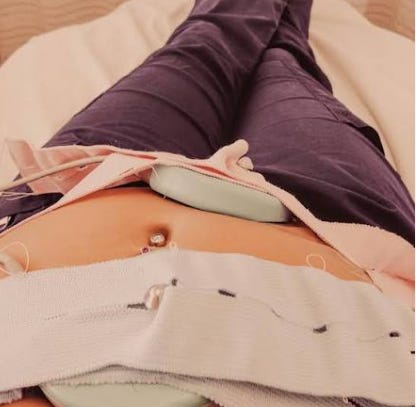
Nearly every woman who gives birth in an American hospital is strapped with a belt of sensors to track the baby’s heartbeat. If the pattern is deemed abnormal — too slow, for example — doctors often call for an emergency C-section.
But this round-the-clock monitoring, the most common obstetric procedure in the country, rarely helps baby or mother. Decades of research have shown that the tool does not reliably predict fetal distress. In fact, experts say, it leads to many unnecessary surgeries as doctors overreact to its ever-changing readouts.
The obstetrics field has long ignored these problems. Now, it’s putting more trust than ever on the flawed technology, often prioritizing business and legal concerns ahead of what’s best for patients, The New York Times found.
This fall, the American College of Obstetricians and Gynecologists updated its guidelines on continuous monitoring, sanctioning it even as some other wealthy countries have cautioned against its routine use. Some large hospitals have opened remote monitoring hubs, where nurses spend their shifts watching screens of pulsing squiggles beamed in from many miles away. Software companies have also jumped at the opportunity, selling unproven artificial intelligence algorithms that claim to pluck useful signals from the heartbeat noise.
If cEFM Is So Bad, Why Do We Keep Using It?
If you've made it this far, you might reasonably be wondering why virtually every hospital in America still uses continuous electronic fetal monitoring if it’s really so bad. Well, the truth is, fetal compromise in labor is a real thing that can sometimes be caught by continuous fetal monitoring. And obviously the vast majority of parents would accept a C-section over a dead or brain-damaged baby.
An unnecessary C-section has significant downsides, but it’s nearly always survivable.6 In contrast, the cost of a missed hypoxic injury to a baby, who may die o suffer serious lifelong disability, is catastrophic. So, you can forgive those of us in healthcare for sometimes erring on the side of intervention. Or, as a I’ve heard repeated over and over by obstetrician friends over the years:
You’ll never get sued for the C-section you did do. You will get sued for the C-section you didn’t do.
While I don't always love the logic of making decisions based on legal risk rather than what is probably best for the patient, I also understand this reality because it’s one I face myself.
Surveys show that 89% of OB/GYNs and 32% of certified nurse-midwives (CNMs) have been sued. When a baby suffers a devastating injury, malpractice payouts can reach into the millions of dollars, and electronic fetal monitoring strips often become the centerpiece of the courtroom. With the benefit of hindsight, attorneys and expert witnesses scrutinize every deceleration and every clinical decision, asking, "Why wasn't this baby delivered sooner?" Never mind that another baby could have had an almost identical tracing and been born perfectly healthy, and that there’s no way to prove the baby wouldn’t have had the same outcome even if he’d been delivered sooner.
The truth is, bad things can and do happen in birth, even with excellent care. Yet the legal system treats every bad outcome as predictable and avoidable. The acceptable margin for error is zero. So it's not hard to understand why medical professionals sometimes err on the side of doing a C-section.
In short, while cEFM has serious downsides, missing the rare baby who truly needs intervention is legally, emotionally and professionally catastrophic.
And as I stated above, a frustrating reality about cEFM is that we don't really have anything better. Despite decades of research, no technology has reliably distinguished the fetus experiencing true hypoxia during labor from the far larger group with merely concerning-looking heart rate tracings. Until that changes, our field will likely remain stuck with this imperfect tool.7 Personally, I’m excited for the idea that software companies could use artificial intelligence tools to remove human bias (“I’d like to just do the C-section and go home for the night”) and error (“those look like lates8 to me!”) from fetal heart rate tracing interpretation. But whether these systems will ultimately improve care remains to be seen.
Why Isn’t Intermittent Auscultation (IA) Used More Often?
Perhaps you've heard of intermittent auscultation (IA). This alternative to continuous electronic fetal monitoring (cEFM) is frequently used during home births and in birth centers. And yes—it can also be used in the hospital. When I am working with a mom planning an unmedicated, non-induced birth who is low-risk and has a nice looking strip on admission to the hospital for labor, I always recommend IA!

Yet despite being supported by guidelines and evidence, this approach remains surprisingly difficult to access in many U.S. hospitals—including mine. To be completely honest, I feel like we only pull it off, like,10- 20% of the time. 😔
First, the mom needs to not have any risk factors known to increase the chances of a poor outcome (for example, a prior cesarean, hypertension, gestational diabetes, abnormal bleeding, or concerns about fetal growth). Second, she needs to be in spontaneous labor rather than being induced (about one-third of U.S. labors are induced). Third, she needs to plan to labor without an epidural (approximately 75.4% of laboring moms in the U.S. receive one.)
The other challenge is that IA requires a completely different infrastructure than cEFM. It needs a skilled nurse who can stay close to the bedside, assess fetal heart tones at regular intervals, and interpret those findings within the context of the entire labor—noticing if something is amiss. In contrast, cEFM allows a nurse to observe multiple patients from a central monitoring station. In the face of a severe nursing shortage, it becomes much easier for labor and delivery units to just hook the mom up to a monitor and leave the room. So, in many U.S. hospitals, use of IA is limited by staffing constraints.
This creates a frustrating disconnect where professional organizations like mine (the ACNM) recognize IA as an appropriate option for low-risk patients, and research suggests it can reduce cesarean delivery without worsening newborn outcomes, yet many patients never receive the option.
Can You Avoid An Unnecessary C-section for Fetal Intolerance of Labor?
I realize I’ve spent the last several sections explaining why cEFM is ubiquitous in hospital birth despite being such an imperfect tool, and I hope that was helpful.
But at the end of the day, many of these forces are outside of an individual mom’s control. Chances are if you’re a pregnant person in 2026, you can’t single-handedly change hospital staffing or policy, influence the medical-legal system, or change the fact that the hospital near you has a high C-section rate. Yet, I don’t think that individual moms are powerless. There are some practical things you can do both before and during labor to decrease your chances of a C-section for fetal intolerance of labor.
To be clear, I am not suggesting that it is a pregnant person’s responsibility to become an expert in fetal heart rate interpretation. Nor am I suggesting that you should ignore or overrule the recommendations of your medical team based on your own interpretation of a monitor strip. What I am suggesting is that moms deserve to understand the reasoning behind major decisions (such as cEFM, vacuum, forceps, C-section) that may permanently affect their health, and should feel comfortable asking questions before consenting to them. So let’s start here:
Suggestion #1: Be as healthy in pregnancy is possible. Your baby’s ability to tolerate labor depends, in part, on the health of the pregnancy before labor even begins.
Conditions like obesity, high blood pressure, diabetes, fetal growth restriction, and post-dates pregnancy can all affect how well the placenta functions and, in turn, how much reserve your baby has during labor. And needless to say, smoking and using drugs or alcohol won’t do your baby any favors (I doubt this applies to many of my Substack readers, but in the real world I have seen many a pregnancy go south for these reasons ☹️)
This doesn’t mean you can’t have a healthy pregnancy if you have risk factors, and obviously some things are outside our control (advanced maternal age comes to mind). But there is also a lot that is within our control. If you have diabetes or chronic hypertension, getting those conditions under good control before or during pregnancy matters. Eating well, staying active, and avoiding excessive weight gain during pregnancy matter too.
None of this means that someone with risk factors has somehow failed or caused their own C-section. Birth is unpredictable, and sometimes cesareans actually are the best outcome, especially in a high-risk scenario.
Suggestion #2: Choose your maternity care provider (doctor or midwife) and hospital carefully
There is a lot of variation in how hospitals practice. And as we’ve already discussed, there is tremendous variation in how clinicians interpret fetal heart rate tracings, and cesarean rates vary dramatically from one hospital to another—even after accounting for differences in patient populations.
High C-section rates don’t automatically mean a hospital is providing poor care (they could also care for a higher number of very high-risk patients), but very high rates can reflect a culture that is quicker to intervene when fetal heart rate tracings fall into the gray zone (and remember, this does not on average result in better infant outcomes). If you have more than one hospital available to you, it’s worth looking into their primary cesarean rates, asking early in the pregnancy where your provider expects you to give birth, and figuring out their approach to fetal monitoring and labor management.
During pregnancy, ask questions that help you understand your provider's philosophy about labor. For example: "How often do you use intermittent auscultation for low-risk patients?" "How do you approach a Category II tracing that is concerning but not clearly an emergency?" "If my baby develops recurrent variable or late decelerations but still has moderate variability, what kinds of things do you usually try before recommending a C-section?" These questions may help you figure out whether your provider tends to be patient with the normal uncertainty of labor or has a lower threshold for intervening.
It’s a good idea to be specific about your wishes and ask questions like “Will this hospital accommodate intermittent auscultation (IA) instead of continuous fetal monitoring if I want that?”
Asking about the normal routines and policies, as well as the C-section rate of the group with which you plan to give birth may also be helpful. In most modern maternity care, there is no guarantee that the doctor or midwife you pick will actually be the one there when you give birth, so it’s helpful to understand the hospital and group culture as a whole rather than just the philosophies of your individual clinician.
And here I’m just going to go ahead and state my bias: if you’re a good candidate for midwifery care, I would strongly encourage you to consider it. Midwives are generally more likely to use intermittent auscultation for low-risk patients and, as we discussed earlier, midwife-led care has consistently been associated with lower rates of cesarean delivery without worse outcomes for babies. Home birth and birth center birth, usually attended by midwives, are a great option and I’ll refer you to Elena Bridgers post on that one to learn more about why.
To hear my argument for midwifery in general, read the post below:
You May Want To Give Birth With A Midwife

Back in my short-lived tweeting days, one particular tweet got a lot of attention. To this day, I’m not sure what was so special about this tweet in comparison to my other hot takes, but somehow the algorithm decided that 5 million people were going to be exposed to it. Weird.
Suggestion #3: Avoid unnecessary induction of labor. But consent to necessary induction of labor! And to know the difference, please read the post below. The TL;DR is that while induction without a medical indication can lead to a longer, more intervention-heavy labor experience, it can actually improve outcomes in many medium or higher-risk situations.
Why I Have Complicated Feelings About Induction of Labor

On a recent call shift, I took over on an induction for a first-time mom who had been on the labor and delivery unit three days. Even before the shift, I was dreading it. I had checked the board and reviewed her history. “I know exactly how this night is gonna go,” I griped to my coworker. “I’ll be up all night. She’ll get infected or the baby’s heart tones will tank. She won’t progress. After three days of labor, she’ll end up with a C-section anyway, and hate us.”
Suggestion #4: If you are a good candidate, consider intermittent auscultation (IA) instead of routine cEFM. In low-risk pregnancy, it is not shown to protect your baby any more than intermittent auscultation. In fact, IA seems to reduce emergency cesarean deliveries in labor without increasing bad outcomes for mom or baby.
If fetal heart rate interpretation were an objective test that always yielded one obvious answer, there would be less reason to avoid cEFM. But because there is so much gray area where reasonable clinicians can disagree about what a tracing means and what the next step should be, this intervention should not be taken lightly.
Suggestion #5: If you cannot avoid cEFM (due to risk factors, induction, epidural use), and are told the fetal heart rate is concerning, letting your team know that avoiding a cesarean is important to you—while also making it clear that you want to keep your baby safe—can help them tailor their recommendations when there is genuine clinical discretion and “gray area” in fetal heart rate interpretation.
If this happens, one of the most common suggestions you'll hear is: move. Your nurse may ask you to get on your hands and knees, turn from side to side, use a peanut ball between your legs, or sit upright in the throne position. These things can be done with or without an epidural. If position change is recommended to you (and honestly, even if it’s not), do it!
I’m going to be honest about something I see all the time on labor & delivery. Despite the stories I hear about patients being trapped in bed during labor by nurses and providers who try to keep them there, my experience has often been the opposite. I am constantly encouraging people to move, get out of bed, and advocating for the use of wireless monitoring for those who need cEFM. Yet when I check on moms in their labor rooms, I often find them….laying in bed on their backs! Which is, literally the worst position for both labor progress and fetal heart tones.
Position changes are one of the safest, most effective tools we have for both helping labor progress and helping babies tolerate labor. But I run into moms all the time who just want to stay still, and while I completely understand the impulse—labor is exhausting—this is one of those moments where pushing through the discomfort can really matter. I’ve seen so many “borderline” situations where a baby’s heart rate improved significantly because the mom agreed to keep changing positions every 20–30 minutes instead of lying flat on her back.
Just the other day, I had a birth where the mom started having deep variable decelerations9 after her water broke, but I was working with an amazing nurse who was really on it. By keeping the mom on her hands and knees (it was the only position the baby tolerated), the heart tones stayed reassuring with moderate variability (a sign of normal acid-base status) and the variables became less deep than when she was on her side or her back. A few hours later, baby was born with the cord wrapped around her neck several times. No harm, no foul—she came out crying and was just fine! In another situation with a less skilled nurse or a more overly-interventional hospital culture, that birth probably would have been a C-section.
To be totally honest, I’ve also been in situations where a mom’s resistance or unwillingness to keep trying position changes and working with staff contributed to a cesarean that might have been avoidable. So, if position changes are being recommended by your care team, please listen!
Suggestion #6: Have a doula or continuous labor support.
I’ve talked a lot here about the limitations imposed by healthcare systems and staffing. By hiring a doula, you have someone on your side whose entire job is to support you through labor. A doula is not there to interpret fetal heart tones or make medical decisions, but she can help you with position changes, coping through a long labor, understanding your options, and communicating your preferences.
That whole “I’m exhausted and done. I want a C-section” moment that I talked about earlier? I’m going to be honest—it is something I see less often among people who have strong support in labor. A doula can help you keep going when things get hard, remind you of your goals, and encourage you through the exhausting parts of labor. Doulas are the ultimate cheerleaders. They’ve been through this before with other clients, and statistically, they will reduce your chances of having a C-section.
If you can’t afford a doula, or the idea doesn’t appeal to you, don’t discount the value of having a loving support person (your partner, sister, mom, friend) at your birth. These people can also advocate for you during a difficult labor. And as I’ve written before, dads make a difference!
Dads in the birth room make everything better

You know how romance movies and books always end with the couple getting together and riding off into the sunset? I’ve always found that deeply dissatisfying. It just leaves out so many important details. Like, how many kids did they end up having? Boys or girls? What did they look like? What did they name them? What were the Apgars? Ok, maybe that last bit is just the midwife/birth nerd in me talking…
And, After All This, If You Need A C-section, It’s Gonna Be OK
Here at “A Moderate Midwife,” I have built my brand around claiming that it is possible to have a nice hospital birth; that there is a happy medium between free birth in your home with no birth professionals present, and a hospital birth with every unnecessary intervention imaginable, and that yes, some people really do benefit from hospital birth, including people who end up needing a C-section. In the essay below, I stated it like this:
There is something in between intervening too much and intervening too little. It is called “intervening the right amount.”
Hospital Birth Doesn't Have To Be Horrible

Hi friends! Before we begin, I want to confess something. This essay has been a work in progress since late last year, and my New Year’s resolution was to get it published in a mainstream media outlet. But here we are in December, and after pitching it in various forms to several places throughout the year, I still haven’t found home for it.
But I realize that statement isn’t very helpful to people who don’t work in maternity care. After all, how would an average mom know what “the right amount” is in her individual situation? I hope this essay has shed at least a little light on what a fetal intolerance of labor diagnosis actually means, and helps you ask the right questions if you ever find yourself in that situation.
Because the truth is, it's fine for moms to ask questions, make decisions, request certain interventions, and decline others. But it's also good to place a certain amount of trust in your caregivers during pregnancy, labor, and birth. And if you find yourself struggling to do that—and it's early enough in your pregnancy to make a change—it's not too late to look around for a doula, or find another provider or a birth setting that better aligns with your needs.
You were not meant to do this alone. Humans have been assisting each other in childbirth for as long as our species has existed. And lucky you—you're giving birth in the year of our Lord 2026, when childbirth has never been safer. The C-section rate may be too high (and trust me, some of us are working on it) but historically speaking, both maternal and neonatal mortality are extremely low.
Closing Time
Let me close by sharing a story about my friend. She was pregnant with her first kiddo and went to the hospital in early labor. In triage, they determined she was only 1 cm dilated and were getting ready to send her home. Then, all of a sudden, her water broke.
She felt completely fine. She wasn’t having severe pain, and she wasn’t bleeding. But because she was still on the monitor, the nurses immediately noticed a steep, sudden drop in the fetal heart rate. They spent the next 2–3 minutes trying the usual interventions—position changes and everything else they could think of—but nothing worked. Her baby’s heart tones had absolutely tanked.
So they rushed her to the operating room and performed an emergency C-section under general anesthesia. When she woke up, she learned she had a velamentous cord insertion,10 and her amniotic sac had ruptured directly over one of the baby’s unprotected blood vessels, severing it and abruptly cutting off his blood supply. She was lucky to be in the right place at the right time (the hospital) otherwise, her baby would not have made it. He’s 14 now and doing just fine. 😊
Happy to hear all of your labor, birth and fetal intolerance of labor stories! Questions, comments, disagreements? Please share, and as always….
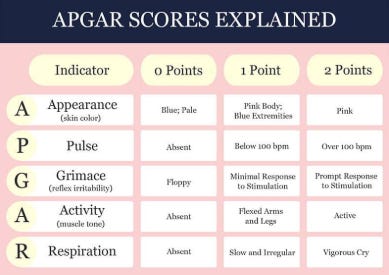
Apgars are a rating system we use to decide whether a baby needs resuscitation after birth by ranking several characteristics:
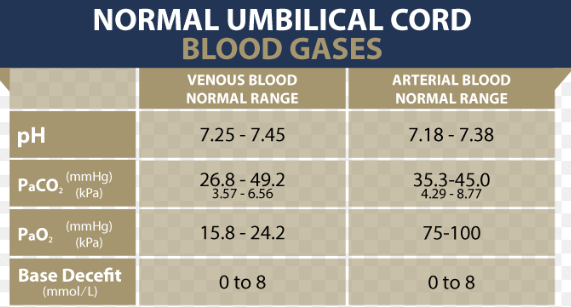
Umbilical cord pH testing measures the acidity of a baby's blood immediately after birth to determine how well they tolerated the labor and delivery process. A pH value below 7.00 indicates severe metabolic acidosis, which means the baby's tissues experienced a significant decrease in oxygen supply during labor.
CTG=cardiotocography. It’s the same thing as cEFM. The “toco” part accounts for the measuring of contractions.
“Primary cesarean” refers to cesareans in which the mom has never had a cesarean before.
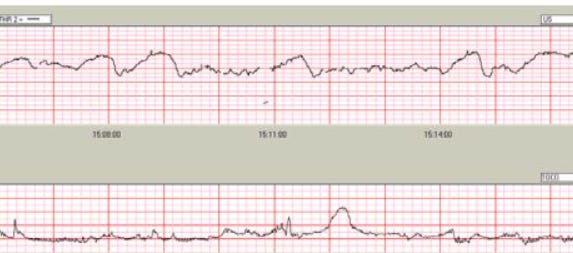
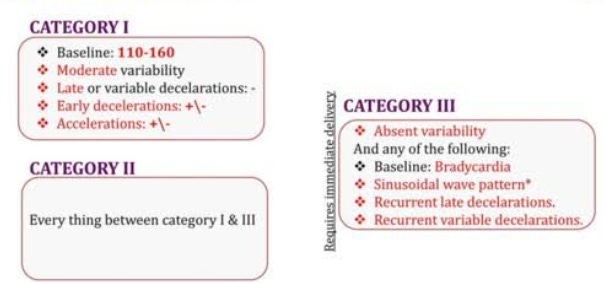
Equivocal in this case usually means the heart tones are Category II. The problem is, the vast majority of babies (up to 80%) will have Category II FHTs at some point during labor. A small percentage (0.1%) of babies will have a Category III tracing and require immediate intervention (C-section or forceps/vacuum if close enough to vaginal birth). because these patterns indicate oxygen deprivation.
This being said, C-section is clearly linked to higher death rates for women, especially in the case of multiple repeat C-sections. The NYTimes also did some excellent reporting on this in an article called “A Grave Condition Caused By C-Sections Is On The Rise.” Evidence shows the risk of maternal mortality with C-section is approximately 3-4 times higher, even when controlling for conditions that make C-section more likely (see links below)
Mode of delivery is an independent risk factor for maternal mortality: a case-control study
Why we need more girl engineers, IMHO! Someone please help us! EFM technology is clunky, not user-friendly, and not patient-friendly. Are you still using a phone or laptop similar to the one you used 20 years ago? Ok, well, I’m using the same fetal monitoring system as when I started my career 20 years ago.
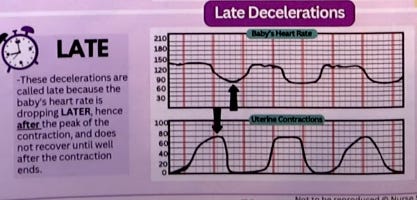
Late decels are concerning because they can indicate placental insufficiency, but there is often disagreement among clinicians as to what qualifies as a “late decel.” The textbook definition looks like this:
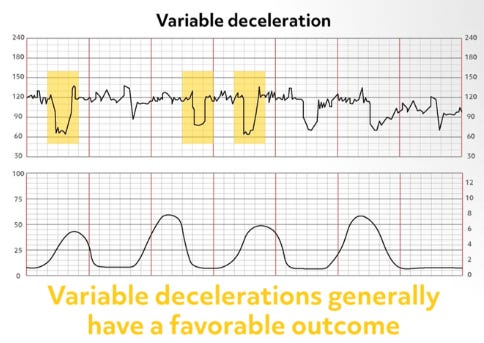
Variable decelerations are deep, V-shaped decelerations that generally indicate cord compression. This can happen after the water breaks (or is broken) because there is less cushioning around the cord. They’re generally not a big problem, unless baby loses moderate variability (the baseline looks flat rather than jumpy) because that indicates compromised oxygenation.
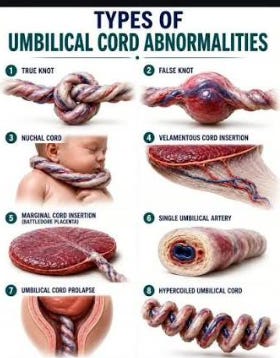
We can’t always know what is causing them, but there are different cord abnormalities that can come into play:
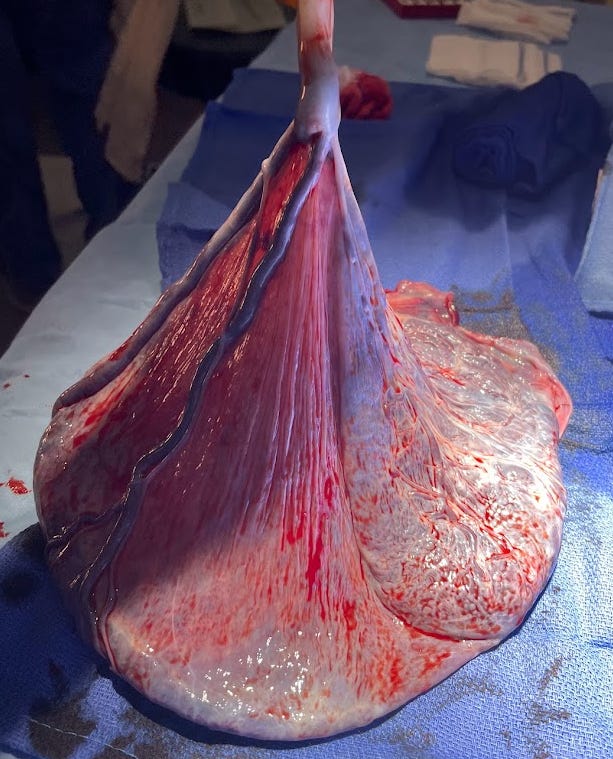
I’ve seen this more than once, and it usually isn’t catastrophic like it was for my friend. But you can see why it’s dangerous! Look at this placenta pic after a normal vaginal birth with a velamentous insertion. Do you see how unprotected those vessels are compared to the vessels in the cord?
I just had my second c section. It was an emergency c section after a trial of labor. I’m struggling to make peace with it because the reason was ongoing long late heartrate decels. It was a midwife led birth at the hospital with the best VBAC rate near me. I felt like I did everything “right” and still ended up being ran down the hall when my baby’s heartrate didn’t recover after 4 minutes. I’ve been trying to get the strips for 3 months and still haven’t seen them myself, but I’ve heard the decels were in the 30s/40s. The doctor ended up making a mistake in my surgery that caused an injury to me because it was done so quickly and I ended up on the table for 3 hours. I *think* the c section was necessary but I struggle to know for sure. A lot of “crunchy” moms have told me I should have done this or that to avoid it and that the doctor could have made the wrong call. But at the same time I felt like everyone in the room let it go on for as long as possible until it got truly concerning. I don’t really know if I have a question…I guess just sharing my experience of being on one side of this conversation. It is confusing and frustrating!
Loved this whole article apart from the very last thing about your friend! As a pregnant person this all read as very balanced and measured and then WHAM oh actually continuous monitoring stopped my friend’s kid from dying?! Thought I would share as I felt strongly that was not a great ending for pregnant people reading this if part of the idea was to get people to consider IA and midwife led care etc